Let’s examine each tool’s key features, benefits, and unique selling points, distinguishing them from the marketing automation competition. This guide will offer the insights you need to make informed decisions and optimize your marketing strategies, whether you are a small business owner or a marketing professional. Are you prepared to shift your focus and move ahead of the curve?
Let’s dive in!
Marketing Automation Landscape 2026: What You Need To Know?
Let’s look at the trending Marketing Automation before deepening into the tools. Advances in AI, data analytics, and customer experience are constantly changing the landscape of 2026, including:
- AI-Driven Customization: Expect to see even more tools leverage AI to enhance customer insights and create hyper-personalized content. This will allow marketers to interact better with each consumer.
- Omnichannel Integration: Organizing campaigns efficiently across different touchpoints, such as email, social media, SMS, etc. Tools with powerful integrations are often preferred.
- Data Analysis Driven: Marketers use analytics to track performance and optimize campaigns. Finally, data visualization and reporting features are indispensable.
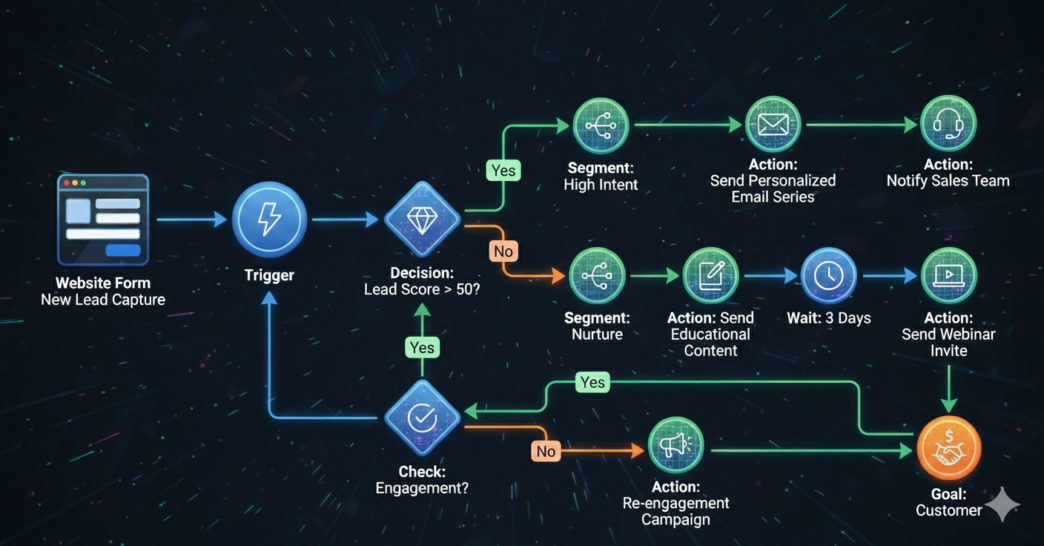
- Improved Customer Journeys: The highest priority is designing streamlined, personalized customer journeys. Marketing automation tools are improving at mapping and automating these journeys.
- Emphasis on Privacy: With greater focus on data protection, any well-operated tools must follow the privacy regulations. “Transparency and compliance are paramount.
They highlight the need for high-powered, adaptable, and agile tools in an ever-changing marketing landscape. Understanding these allows us to select the correct tools for our automation constitution-appropriate needs.
10 Best Marketing Automation Tools In 2026
So, let’s dive into the 10 marketing automation tools you will want for 2026.
1. Hubspot Marketing Hub
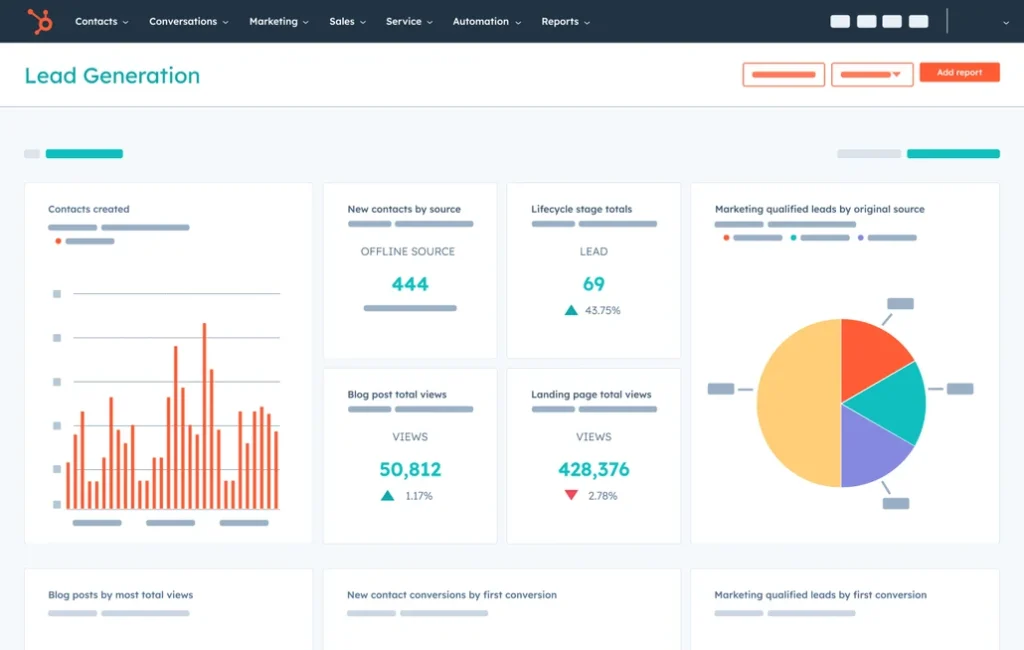
Overview: HubSpot is an all-in-one marketing, sales, and service platform. Its Marketing Hub includes tools for managing everything from email marketing and social media management to lead nurturing and analytics.
Key Features:
Email Marketing: Powerful email automation, segmentation, and personalization.
Landing Pages: User-friendly landing page creator with A/B testing features.
Social Media Management: Schedule posts, track engagement, and measure performance.
HubSpot CRM Integration: Easy integration with HubSpot CRM to improve sales and marketing alignment.
Analytics & Reporting: All-in-one dashboards and reporting tools to assess campaign performance
Why it’s essential in 2026: HubSpot Marketing Hub provides a complete ecosystem, making it an excellent choice for businesses looking to consolidate their marketing efforts, big or small. It’s user-friendly, scalable, and regularly updated with the latest trends in marketing automation.
2. Marketo Engage (Adobe Marketo)
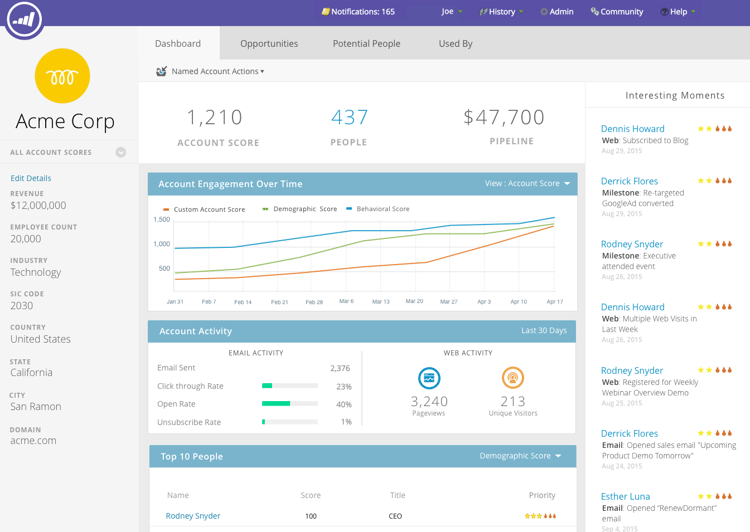
Overview: Adobe acquired Marketo, an enterprise-level Marketing Automation platform. It offers robust lead management, complex campaign design, and detailed analytics.
Key Features:
Lead Management: Complex lead scoring, nurturing, and segmentation.
Campaign Management: More sophisticated campaign creation and deployment across channels.
Dynamic content and personalization: Based on user behavior
Reporting and Analytics: Powerful reporting tools that provide in-depth performance insights.
Integrations: Natively integrates with Adobe Experience Cloud and other systems.
Why Is It Important in 2026? Marketo is a behemoth in complex corporate scenarios. Its powerful features allow you to create complex campaigns and track them precisely, which is necessary for big companies that want to manipulate their marketing efforts in detail.
3. ActiveCampaign
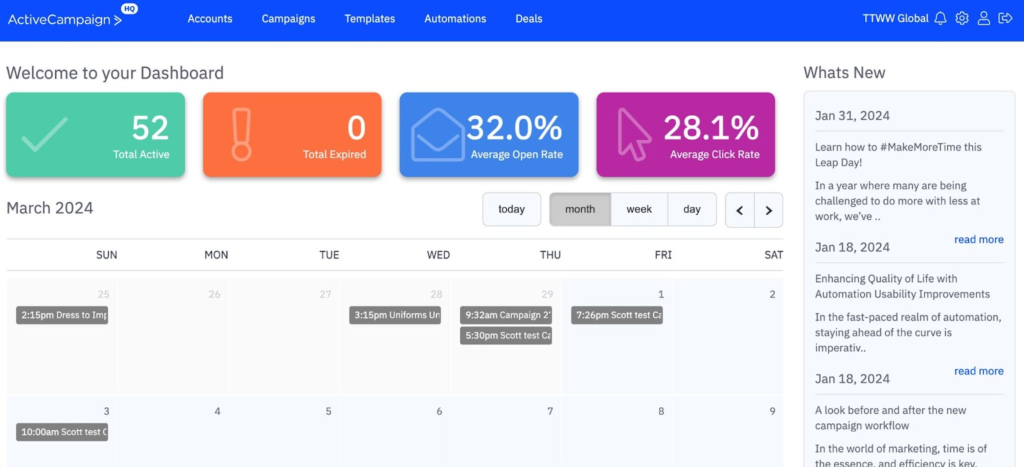
Overview: ActiveCampaign is a market leader in email marketing and CRM automation, making it an ideal choice for businesses that want to improve customer engagement and communication.
Key Features:
Email Marketing Automation: robust automation workflows, email series, and segmentation
CRM: Built-in CRM tools to control contacts and log deals.
SMS Marketing: Use SMS for alerts, notifications and promotion messages
Tracking of Web Visitors: Monitoring website visitor behavior to personalize messaging and offers further.
Integrations: Numerous integrations with other major platforms.
Why It Matters in 2026: By focusing on user-friendly interfaces and powerful automation features, ActiveCampaign allows businesses to create tailored consumer experiences, fostering improved engagement. Its SMS integration is another unique selling point that makes it great for omnichannel marketing.
4. Mailchimp
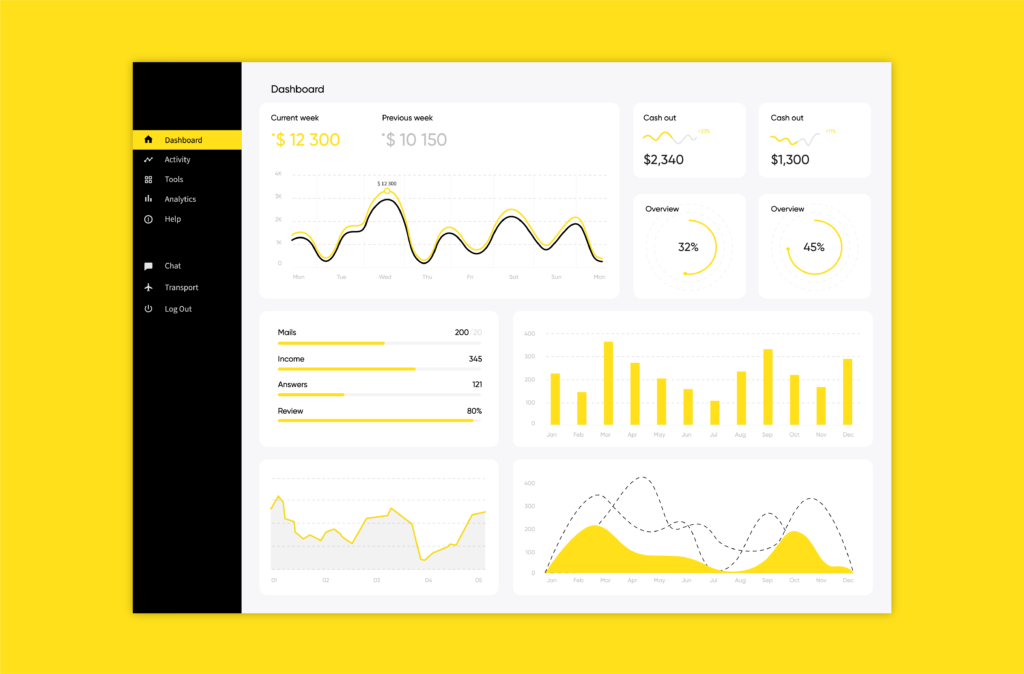
Overview: Mailchimp is a widely used email marketing platform offering features to create and manage email campaigns and an option for marketing automation.
Key Features:
Email Marketing: Automated tools for a send-away email, funnel building, and audience splitting.
Landing Pages: A basic landing page builder is used to get leads.
Social Media Integration: Post from Mailchimp.
Basic CRM: Simple contact management for marketing.
Analytics: Report-based information on email campaign performance and audience behavior
Why You Need It in 2026: Mailchimp is an excellent choice for those new to email marketing; its straightforward interface and simple automation capabilities make entering the market a breeze.
5. Pardot (Salesforce Marketing Cloud Account Engagement)
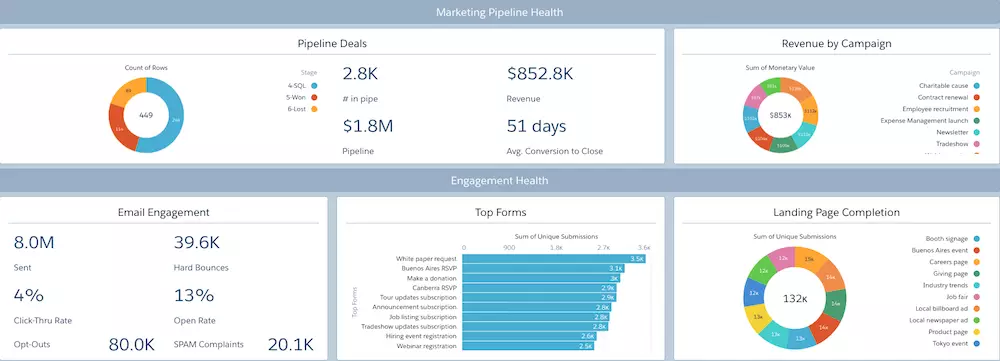
Overview: Pardot (now known as Salesforce Marketing Cloud Account Engagement) is a B2B marketing automation platform that allows sales and marketing teams to align and work together effectively.
Key Features:
Sales Development: Proactive lead scoring, segmentation, and nurturing
Email marketing: Automation, dynamic content, and A/B testing.
Landing Pages: Capture Leads with Tailored Landing Pages
CRM Integration: Free integration with Salesforce Sales Cloud.
Reporting and analytics: Detailed reports to measure the campaign’s performance and return on investment .
Why It’s Important in 2026: Those who are B2B and want a strong alignment between marketing and sales turn to Pardot. Its strong automation features and deep integration into Salesforce make it indispensable for managing complex sales cycles.
6. Autopilot
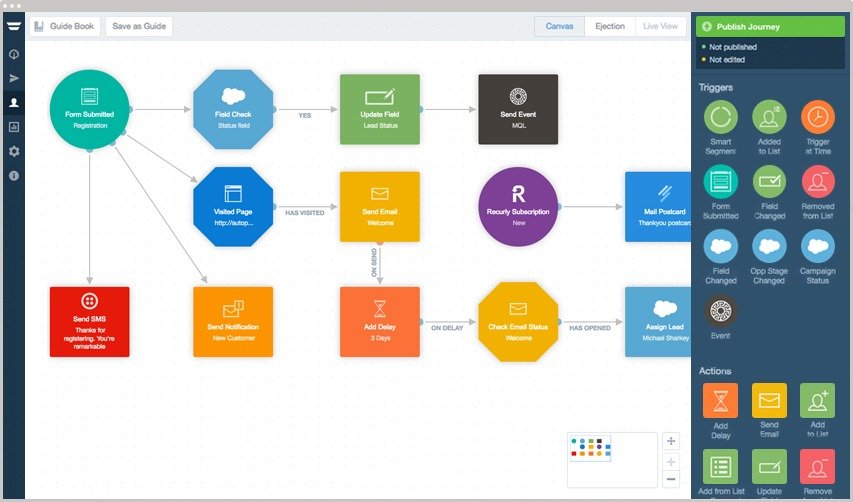
Overview: Autopilot is a visual marketing automation platform that allows you to create customer journeys using a drag-and-drop interface.
Key Features:
Visual Journey Builder: An easy-to-use drag-and-drop interface for creating automated workflows.
Email Marketing: Personalized email campaigns and automation sequences.
Text Messaging: Communicate via text to engage your audience.
Integration: Integrates with numerous CRMs and other marketing tools.
Lead Capture: Form and pop-up builders for leads
Why It Matters in 2026: Autopilot offers a visual interface for creating automation flows, ideal for marketers seeking a visual approach to constructing automated workflows through an intuitive journey builder.
7. Sendinblue
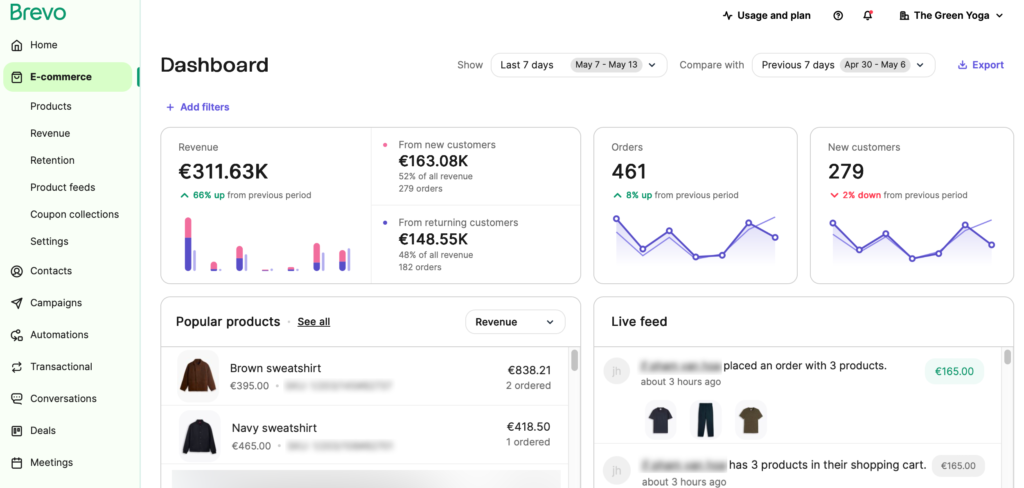
Overview: Sendinblue (now known as Brevo) is an all-in-one platform with email marketing, SMS marketing, transactional email, chat, and CRM capabilities.
Key Features:
Email Marketing: You can have automated and personalized email marketing features.
Send targeted SMS messages for promotions and updates.
Chat: Add chat to your website to communicate with site visitors.
CRM: Basic features for CRM and managing contacts.
Transactional Emails: Automated emails, such as order confirmations and password resets
Why it’s Important in 2026: Sendinblue combines powerful features with affordability, providing a highly functional all-in-one marketing solution.
8. GetResponse
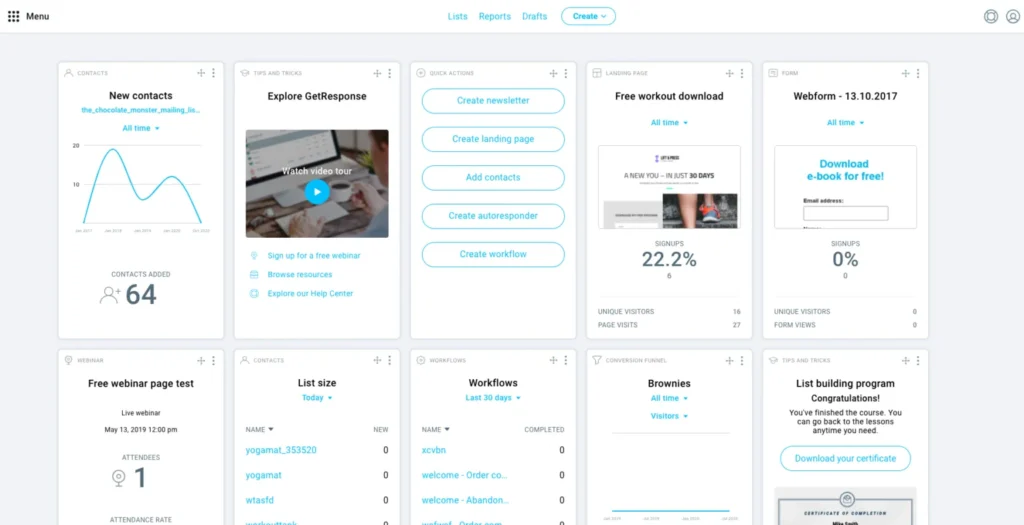
Overview: GetResponse is an email marketing solution that adds landing pages, webinars, and advanced automation features.
Key Features:
Email Marketing: A/B-testing, autoresponders, segmentation.
Landing Pages: Drag and Drop builder to create landing pages.
Webinars: Conduct webinars and oversee follow-ups.
Marketing Automation: Automate structured workflows in response to user action.
Conversion Funnel: Sales funnel creation tools.
Why it’s essential in 2026: GetResponse shines with its webinar capabilities and landing page builder. It is great for businesses that depend on webinars and campaigns mainly on conversion. Its strong automation and webinar features make it ideal for creating full marketing campaigns.
9. Customer.io
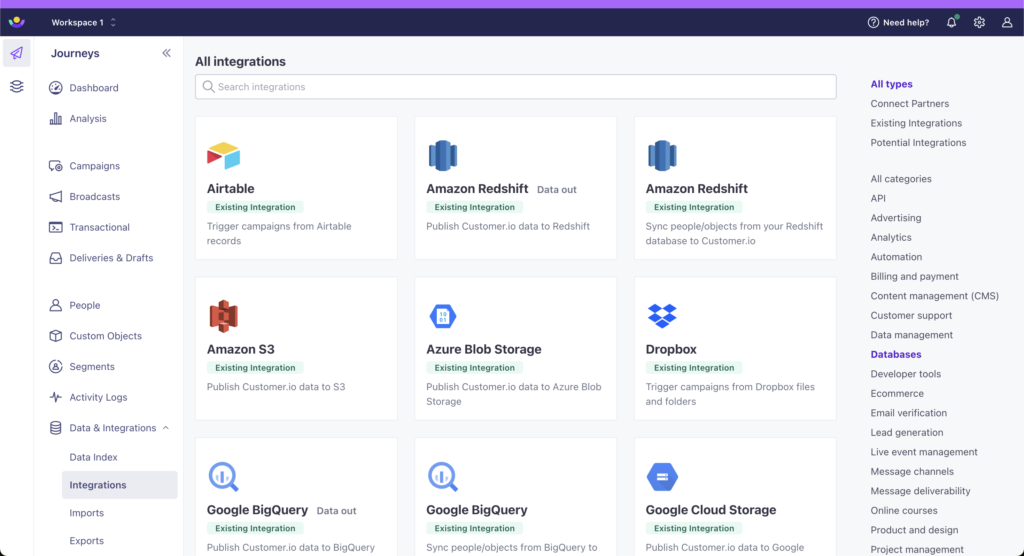
Overview: Customer.io works on behavior-based messaging, which is meant for businesses that want extremely targeted and triggered communications.
Key Features:
Behavior-Driven Automation: Send messages based on user actions inside your product.
Multi-channel messaging: Reach users via email, SMS, or push notifications.
Segmentation: User-behavior-based dynamic segmentation.
External Data Integration: Able to connect to other databases and systems.
Customization: Develop super-customized messaging.
Why You Need It In 2026: Customer.io is an excellent fit for SaaS and product-oriented organizations. It keeps users engaged with deeply tailored messages based on their in-product interactions, allowing for more nuance in messaging based on specific user actions.
10. Drip
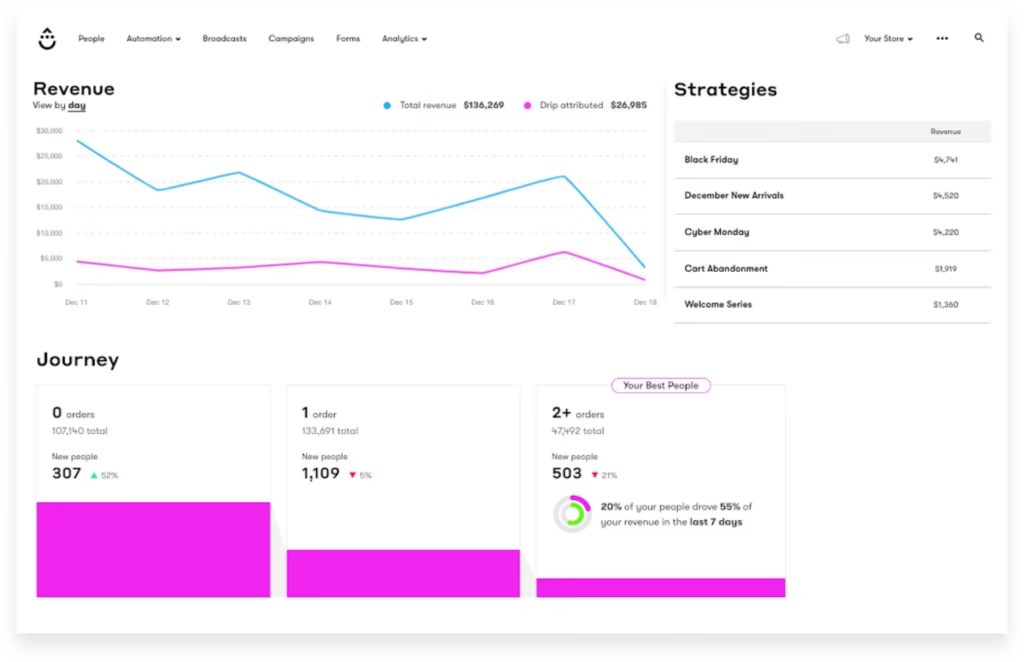
Drips specializes in e-commerce marketing and provides tools for online businesses to grow their customer base and drive sales.
Key Features:
E-commerce Integrations: Integrations for all major e-commerce platforms.
Customer Messaging: Dynamically send targeted emails and SMS segments based on user actions.
Specific to the Email Marketing Tool: e.g., automated emails for abandoned carts, purchases, etc.
Segmentation: Customer segmentation based on purchase history and behavior.
Reporting: Manifold reports on campaign performance and sales data.
In 2026, invest in it: Drip is the most recent customer interaction platform focused on e-commerce.
Selecting The Appropriate Tools For Your Business
Choosing a marketing automation tool will depend on your needs, budget, and technical capabilities. Some key factors to consider:
- Business Size and Objectives: Small businesses may prefer tools like Mailchimp or ActiveCampaign, whereas larger corporations may require advanced solutions like Marketo or Pardot.
- Budget: Some tools are free or have free plans or trials, while others can lead to a significant investment. Choose a tool that is within your budget and does not miss critical features.
- Learning Curve: Evaluate how complex the software is to use. If you have a choice, choose the tool the team will find the most intuitive and easy to use.
- Integration: Ensure the tool seamlessly integrates with your current CRM, CMS, and other marketing tools.
- Support and Training: Choose tools that provide sufficient support, documentation, and training materials.
- Scalability: Opt for a tool that can grow with your business.
The Future Of Marketing Automation: Trends To Look For
As technology continues to advance at such a rapid pace, especially in the world of marketing automation, here are some emerging trends to watch for in the coming years:
- Hyper-Personalization: Brace yourself for more AI and machine learning-powered, even more personalized experiences.
- AI and ML: AI will take on increasing tasks in automating tasks, analytics, etc.
- Voice-Activated Automation: More and more interfaces and marketing opportunities are becoming available through voice-activated marketing when using voice assistants.
- Predictive Analytics: More predictive analytics tools that can forecast future user behavior
- Privacy First: With more global regulations, data privacy and compliance will become an increasing focus.
Conclusion
Marketing automation is one of the core elements of the most successful marketing strategy in 2025. The right tools do wonders for your process , saving you time and effort while increasing efficiency and enhancing the outcome. A well-done automation strategy, with knowledge about trends and market tools, can help you succeed and stand above your competition.
Remember that analyzing your results and adjusting your strategy to the continuously changing digital landscape is crucial to success. Incorporate these tools, elevate your plans, and be set to discover an explosion in your marketing. Which tools are you going to implement in 2025? I’d love to know in the comments below!
Frequently Asked Questions
Following are some tasks about marketing automation tools:
What are the features when selecting marketing automation tools in 2025?
The following features are necessary: automation of e-mail marketing, integration with CRM, capabilities of lead capture and management, personalization, comprehensive reporting and analytics, omnichannel support, and compliance with data privacy requirements.
What are the best automation platforms for small businesses in 2025?
For small businesses, options like ActiveCampaign, Mailchimp, Sendinblue, or HubSpot Marketing Hub are excellent because they are user-friendly, cost-effective, and feature-rich. Most of these tools provide free plans or trials to sign up and start.
What are the new features of marketing automation in 2025 with the help of AI?
They can be enhanced further using AI: Thus, we get to AI-Powered Marketing Automation. With our automation learning, campaign optimization, and customer experience, AI-powered tools can make your life significantly easier.
TechQwaz is your go-to platform for the latest insights on technology, innovation, and personal branding. Learn more about our mission on our About Us page, or reach out to us through our Contact page. Stay connected and updated by following us on Instagram, Twitter (X), and explore more valuable content on our Blogspot. Keep exploring, keep growing!