
Picture a world where, rather than merely being an efficiency tool, AI is an essential force transforming every aspect of your work life. That future isn’t far off. What will the impact of artificial intelligence be on our jobs? The shift is already happening, and understanding this shift is critical for businesses and individuals. The world of employment, skills, and workplaces, as we have known it for decades, is being redefined at breakneck speed by the relentless advance of AI.
In this blog post, we will explore the future of work, focusing on AI as the building block of the future of work. Supporting these statements, we will step into the significant impaction, the probable challenge, and the enormous door this integration unlocks, all while providing actionable insights to help you stand prepared for the AI age in workplace transformation.
The Emergence Of AI and Their Influence On The Workplace
AI will not happen in the future, but it is already in action. Its abilities are proliferating, from automating mundane tasks to supporting complex decision-making. In this section, we look at the profound changes ushered in by AI across many industries.
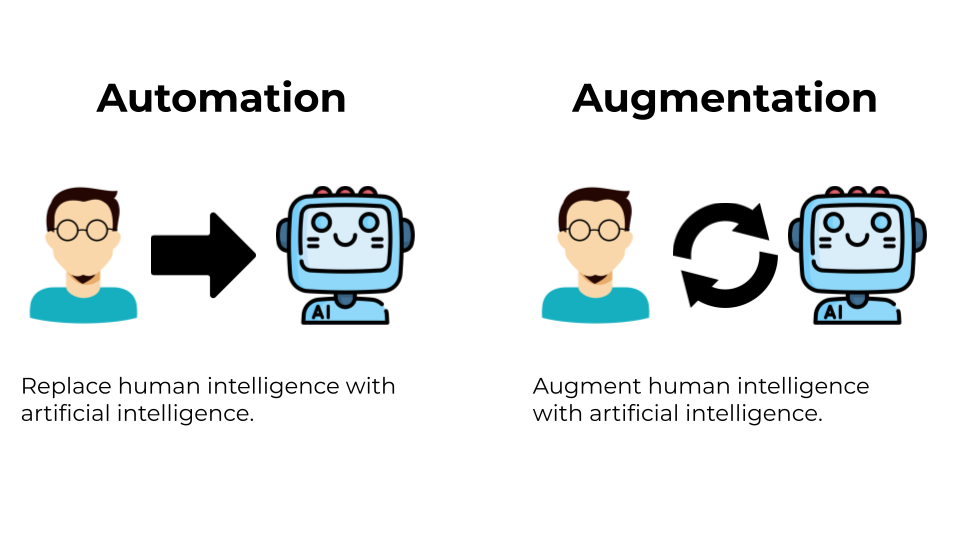
Automation And Augmentation
It spans data filing, customer support, and advanced manufacturing functions. But that’s not the only part of the story. AI is also an augmentation tool, enhancing human potential by freeing professionals up for more creative, strategic, and complex tasks. By automating the mundane, AI frees workers to apply their unique human skills to more strategic projects. For many job roles, the upsurge of AI will likely be one of augmentation rather than full displacement.
While up to 30% of current job roles could be fully automated by 2030, recent research states that many new jobs will also arise. Riding this change will require advanced filtering and upskilling of human resources, covering spaces and skills that will surely be impossible to replace with AI soon.
AI-Driven Decision Making
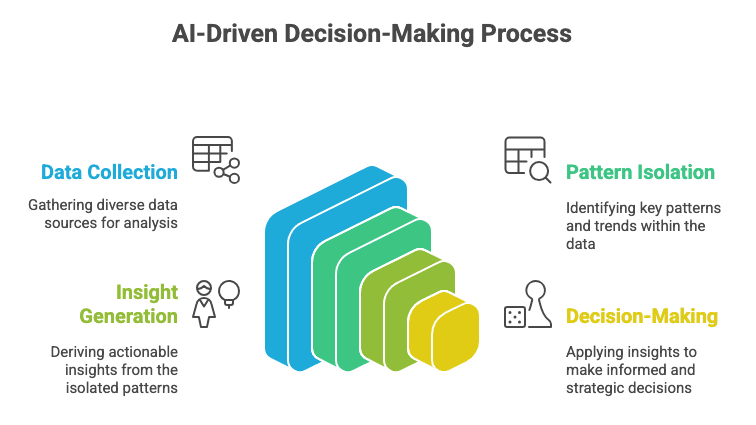
The analytical power of AI goes beyond mere data processing. Machine learning algorithms can find complex patterns and insights that would be impossible for humans to find, resulting in more informed and accurate decision-making at all levels of the organization. AI can be used for processes such as optimizing supply chains, predicting market trends, and identifying potential risks in project management, among many other applications. This can lead to fewer mistakes, more efficiency, and an increase in the bottom line.
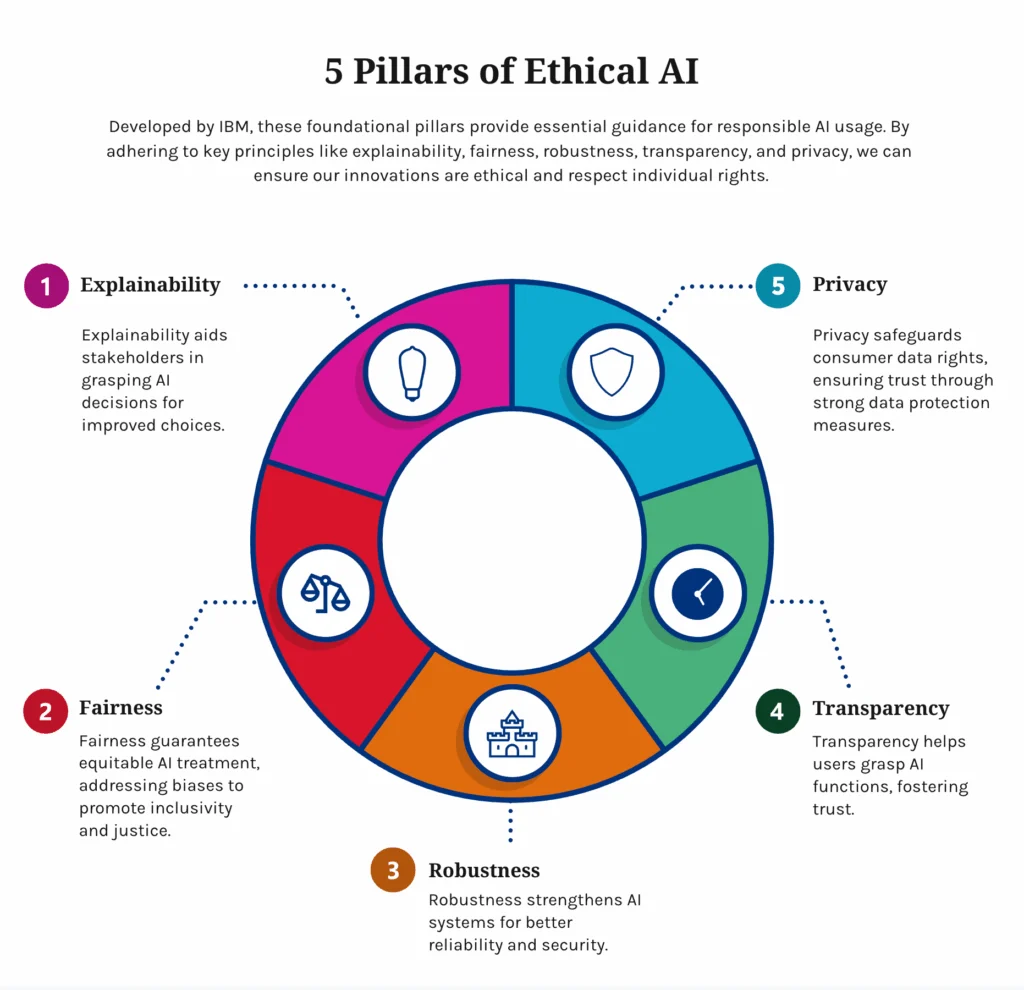
With AI’s increasing integration into strategy operations, ethical and legal implications demand careful consideration. It is essential to strike the right balance in the development and deployment of AI so that these systems are transparent, accountable, and free of bias, and societal values guide their use. AI is transforming the fundamentals of business performance and strategic approaches across various sectors, revealing how AI is now the foundation of future work.
The Evolving Skills Landscape: Adapting AI-Driven World
The rise of AI is not merely a technological advancement but also a powerful re-formation of essential skills. As AI takes over routine tasks, human skills become more critical and thus crucial to future work.
The Importance Of Soft Skills
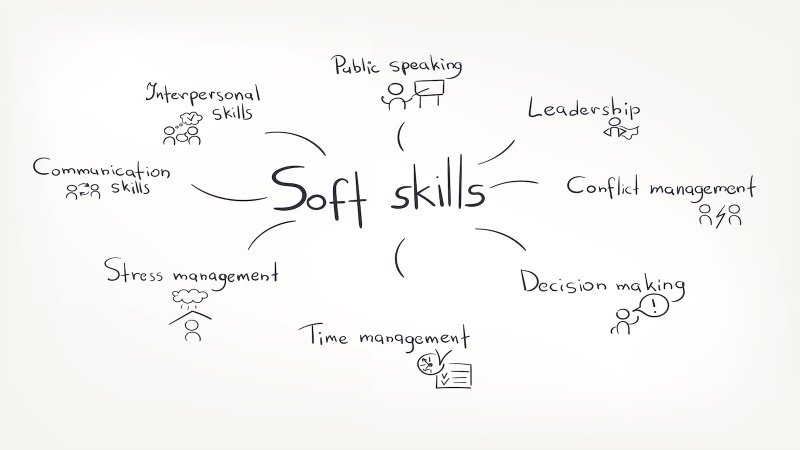
As technology and automation increasingly dominate, skills such as critical thinking, creativity, emotional intelligence, and complex problem-solving become even more important. These are human skills that AI cannot readily duplicate. Soft skills like these will be critical for roles that require empathy, relationship-building, and nuance. For instance, a manager who can relate to his team, understand what drives them, and give constructive feedback will be priceless.
Likewise, in an increasingly dynamic and unpredictable workplace, skills such as adaptability to change and resilience will also increase in demand. Workers will have to accept change, master new technologies, and develop new skills repeatedly throughout their careers.
The Technical Skills Of AI Fields
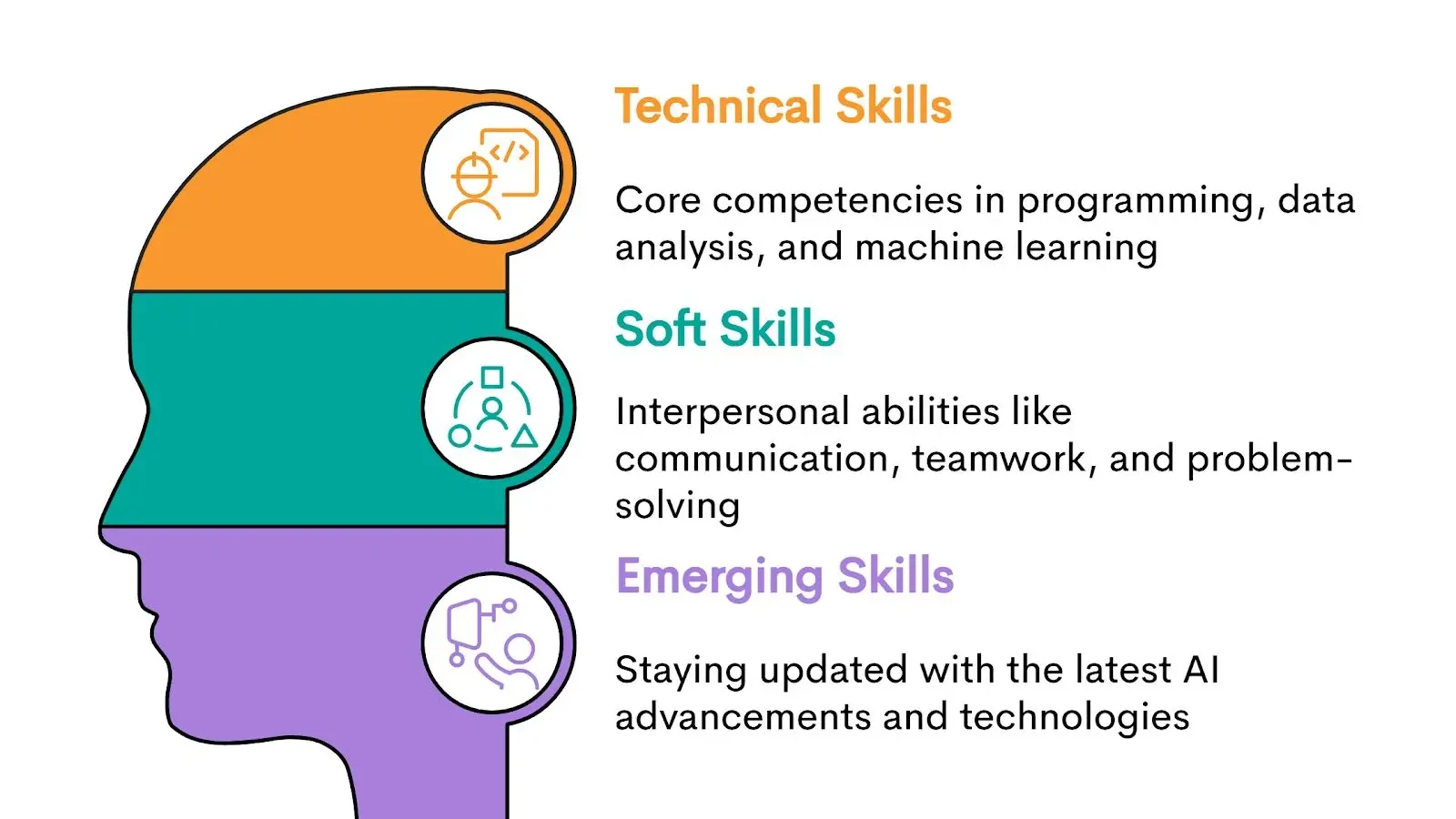
There will still be a tremendous demand for those who can code or work as a data scientist, and if we are ever to have a self-aware AI, then we must have expert AI programmers, but that’s not going to be a liveable career for all of us. However, knowing how to use AI tools, understand AI data, and work alongside AI systems will be critical in many specific roles.
This entails knowledge of machine learning, data analytics, and human-computer interaction. There is an increasing demand for professionals who can navigate and connect the worlds of business strategy and AI deployment, such as AI strategists, AI project leaders, or AI ethics specialists.
Educational institutions and corporate training programs have yet to adapt to prepare workers for these new demands. Training and reskilling programs should emphasize human skills along with technical skills. Courses focusing on critical thinking, effective communication, and design thinking will be essential in developing and nurturing future professionals.
Navigating The Challenges Of An AI-driven Future
Adoption of AI in Organizations Automating the Workplace with Artificial Intelligence This section summarises some main barriers.
Ethical Concerns And Bias
AI creates one of the other most significant challenges: bias. AI systems can reinforce and even exacerbate existing inequalities if developed and used irresponsibly. The data on which AI systems are trained are often permeated by the biases already present in society, which can result in biased outcomes related to hiring, loan approvals, and other areas of criminal justice.
One way to avoid this is to have diverse teams designing and deploying AI systems. These systems must also be open and auditable, enabling independent scrutiny of the decision-making process.
Employment And Income Inequality
Although AI has the power to generate new jobs and opportunities, there are also valid worries about job loss, especially for workers in routine-based occupations. If handled poorly, this could exacerbate economic inequality, as those unable to adapt to the new labor market face growing disadvantages. To navigate this transition, we must ensure good-quality social safety nets, provide adequate reskilling programs, and develop progressive economic policies.
It ensures that the new wealth generated by advances in AI will result in dividends for society and not just for a select few. However, some governments are already considering solutions like universal basic income (UBI) to address the possibility that many jobs may disappear as machines take over our roles.
Data Privacy And Security
AI systems are getting intelligent and demand more and more data to train on. That leads to issues of data privacy and security. A lot can be done to protect individuals’ data from misuse by enforcing robust data protections. Employers must be transparent about collecting and using data and adopt strong cyber security protections to guard against data breaches. Regulating AI whilst responsibly working with data is crucial.
Setting Up For An AI Workplace: Embracing Opportunities
The challenges are real, but AI’s opportunities are even more significant. This part showcases how people and businesses can proactively leverage AI to generate a genuine age of ultra-electric productivity, innovation, and growth.
Improved Productivity And Efficiency
However, this also raises new questions about how we will benefit from advanced technology and whether we will leverage this technology to make our work easier. Doing so can increase productivity and efficiency in subsidiaries. In automation the key area in which AI excels is automation. AI-based project management tools can aid in optimizing workflows such as resource allocation and scheduling.
Experience And New Business Models
AI isn’t just about improving things and creating new products, services, and business models. Analytics driven by artificial intelligence can unveil discoveries and prospects that might otherwise have been overlooked. Ultimately, machine learning has the potential to deliver more personalized customer experiences that will result in higher satisfaction and loyalty.
Integrating AI paves the way for potentially disruptive innovations in healthcare, finance, and manufacturing, ultimately contributing to economic growth. The ones getting ahead of the curve with AI are more likely to lead their fields, with algorithms forming the foundation of tomorrow’s work and operations.
Learning And Development: A Pain Point
By 2026, AI could completely transform learning and development by offering tailored learning experiences according to individual learning preferences and needs. AI-enabled learning platforms can evaluate a candidate’s strengths and weaknesses and deliver tailored training materials to facilitate the fastest path to skill mastery.
This has also proven helpful in enabling employees to acquire new skills essential for the evolving workplace. AI can also assist in identifying skill shortages in a company and recommend tailored training programs to facilitate continuous improvement and professional development.
Frequently Asked Questions
Why Is AI the Cornerstone of the Future Work?
AI is the new foundation of future work, empowering automation, human augmentation, and innovation. It is a transforming force in the changing nature of work, modifying roles, skills, and business processes. AI enables us to accomplish more incredible things with existing resources, freeing our time to pursue other tasks and projects. This will be the basis for the coming years.
What specific AI skills should I focus on for the future?
You can learn AI-related skills, such as data literacy, machine learning fundamentals, human-computer interaction, AI ethics, and how to use AI tools—learning basic coding and how AI tools work will become increasingly essential. In an AI-driven workplace, interpersonal skills such as critical thinking, problem-solving, and emotional intelligence will matter more.
What are some of the possible impacts of AI on employment?
However, the six potential negative consequences are the displacement of workers through automation, economic inequality (if the technologies are not applied correctly), and the perpetuation of existing biases through algorithms if we don’t plan for ethical development and usage. That is why we must proactively mitigate those risks and ensure fair and equal opportunity for everybody.
Conclusion
AI isn’t just a technology; it’s a seismic shift in how we work, learn, and even think about our careers. The challenges of incorporating AI into our society are certainly daunting — ethical questions, job loss, and data security, to name a few, should be addressed — but the opportunities are too enormous to overlook. The AI-driven era is not some distant future, so if we embrace AI as a tool for augmentation, development & innovation, we all will be doing well.
This calls for proactive reskilling and upskilling and a strong commitment to inclusive and responsible AI use. The road ahead will not be smooth, but the promise of greater productivity, radical innovation, and a fairer future is worth working towards. This transformation is already beginning, and the future is being formed through our approach to embedding AI as a pillar of future work.
TechQwaz is your go-to platform for the latest insights on technology, innovation, and personal branding. Learn more about our mission on our About Us page, or reach out to us through our Contact page. Stay connected and updated by following us on Instagram, Twitter (X), and explore more valuable content on our Blogspot. Keep exploring, keep growing!
