How do you go from good to great in your customer relationships? In today’s ever-evolving business environment, capturing customer data is no longer sufficient. Businesses require the capability to predict customer needs, tailor interactions, and offer seamless experiences. This is when the magic of AI-powered CRMs comes into the picture.
This blog post will discuss why these tools are more than a passing trend. They fundamentally change how businesses approach customer relationship management and are innovative tools for tremendous success.
The Rise Of AI In CRM
The legacy CRM system was simply a database to log customer correspondence. It is functional but often doesn’t have the predictive characteristics needed for business today. CRMs with AI CRMs are more than just databases; they are intelligent systems. They also analyze vast amounts of data to provide insights that a human can not achieve alone, driving more relevant engagement and, ultimately, better business outcomes.
Machine learning (ML) and natural language processing (NLP) are some of the most potent AI algorithms driving this transformation. They enable easy and more intelligent customer relationship management using top AI-powered CRMs.
Advantages Of An AI-Powered CRM
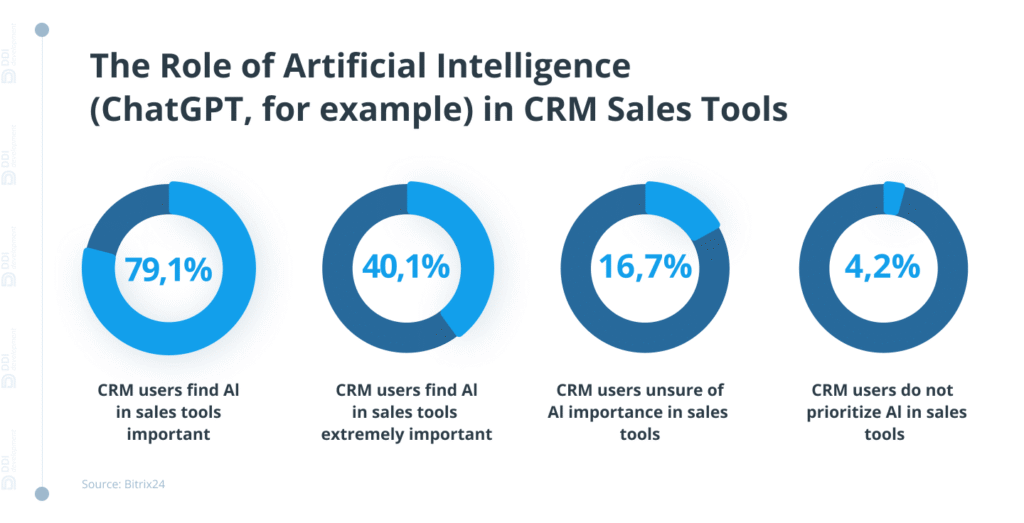
AI has a compelling business case for adoption in CRMs. Let’s see how these intelligent systems are assisting businesses in reshaping their customer management approach and how organizations are using AI-enabled CRMs to manage customer relationships efficiently.
Enhanced Customer Insights
AI algorithms can analyze vast amounts of data by construction, from buying patterns and communication histories to social media activity. This ensures a better insight into customers’ behaviors, preferences, and pain points. Ultimately, this enables organizations to make informed decisions regarding product development, marketing strategies, and sales approaches that better cater to their customers, resulting in more personalized interactions.
Sales Forecasting Using Predictive Analytics
One of the most revolutionary uses of AI in CRM is predictive analytics. By assessing historical sales patterns and market trends, AI can predict the accuracy of future volumes, often with remarkable accuracy. This allows companies to optimize their inventory and will enable sales teams to prioritize leads based on the chance of conversion.
Improved Lead Scoring
Lead scoring is known to be subjective and inaccurate. AI eliminates guessing by analyzing these leads’ behavior, engagement level, and even demographic data and assigning them a more accurate score. That way, sales teams can channel their efforts where they are most likely to pay off, saving time chasing prospects unlikely to close.
Automated Task Management
The best CRM workflows include repetitive tasks like data entry, follow-up emails, and appointment setting. AI can automate these processes, freeing up valuable time for sales and customer service teams to focus on more strategic activities. This enhances efficiency and minimizes human error, leading to consistent and accurate customer interactions.
Engagement Of Clients Under Tailored Conditions
The days of one-size-fits-all marketing and sales are over. Thanks to AI, businesses can personalize customer engagement at scale. AI empowers personalization at scale, tailoring marketing messages, product recommendations, and customer service interactions to each individual based on their preferences and behaviors.
24/7 Customer Support Through Chatbots
ChatGPT, Baird’s new AI-powered chatbot, has transformed customer help. It can answer real-time customer questions, solve minor problems, and refer more advanced cases to human agents. This provides customers with round-the-clock assistance, increases customer satisfaction, and decreases the load on support teams.
Best AI Functions In Today’s Modern CRMs
These AI features are now a standard in modern CRMs. Here are a few of the most significant.
Natural Language Processing (NLP)
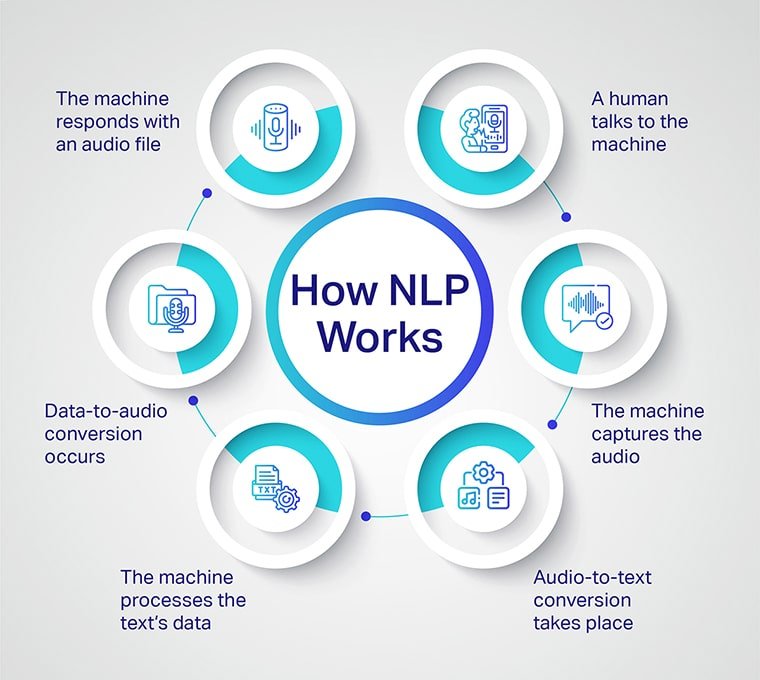
Natural language processing (NLP) allows CRMs to comprehend and analyze human language, enabling features such as sentiment analysis, voice assistants, and automatic data entry. This improves the user experience by allowing a user-friendly and smooth interaction with the CRM. NLP technology makes CRMs more conversational and helps them process data more efficiently.
Machine Learning (ML)
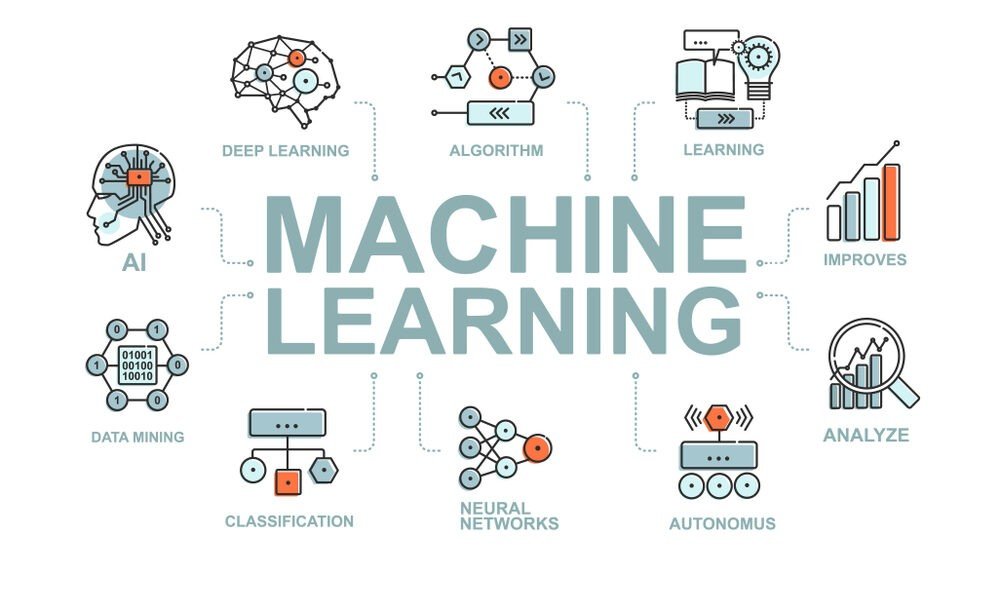
CRMs powered by machine learning algorithms can learn from the data fed, continuously improve predictions, and optimize performance over time. Machine learning is the backbone of many AI-driven features, from predictive analytics to lead scoring. This constant learning enables the CRM to analyze data with greater accuracy.
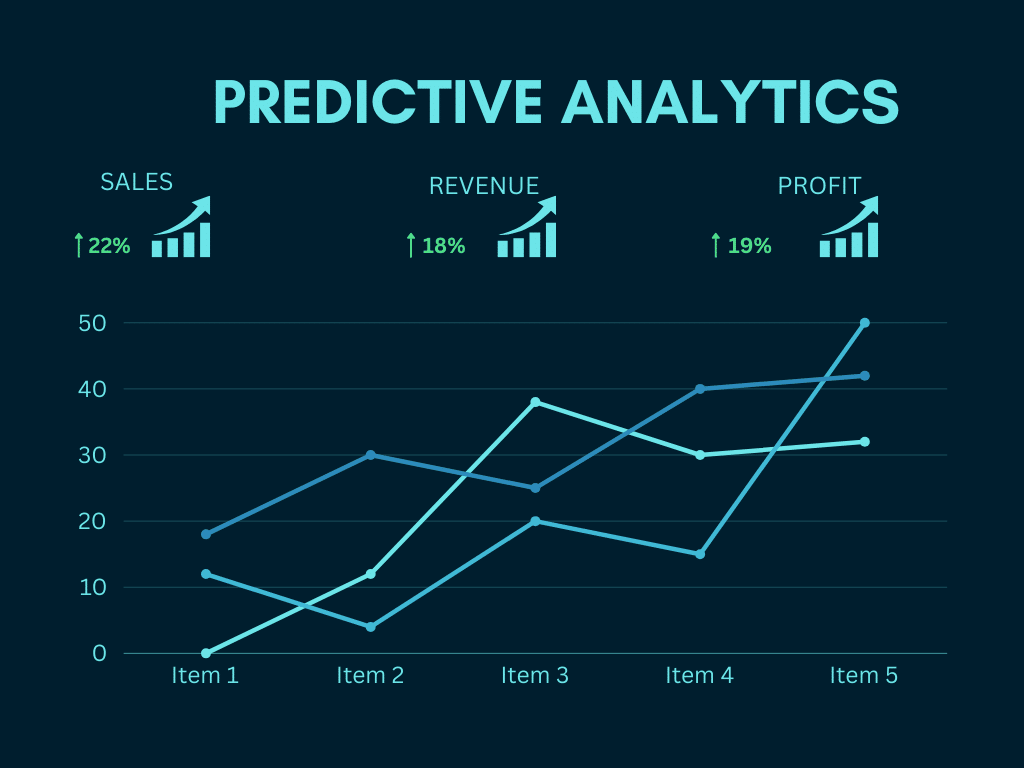
Predictive Analytics
With predictive analytics, AI moves beyond analyzing given data to predict future trends and outcomes. This involves studying historical data and observing patterns to predict future customer behaviors. These tools assist with sales forecasting, churn prediction, and lead scoring optimization.
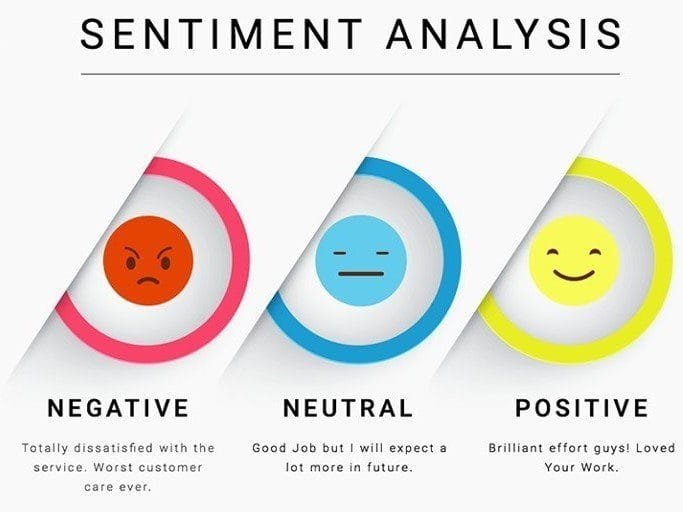
Sentiment Analysis
CRMs can analyze tone and emotion in customer communications, enabling CRM systems to measure customer sentiment and detect issues early. This allows companies to deal with negative feedback and enhance customer satisfaction proactively. Customer feedback must be handled accordingly, and sentiment analysis offers this capability.
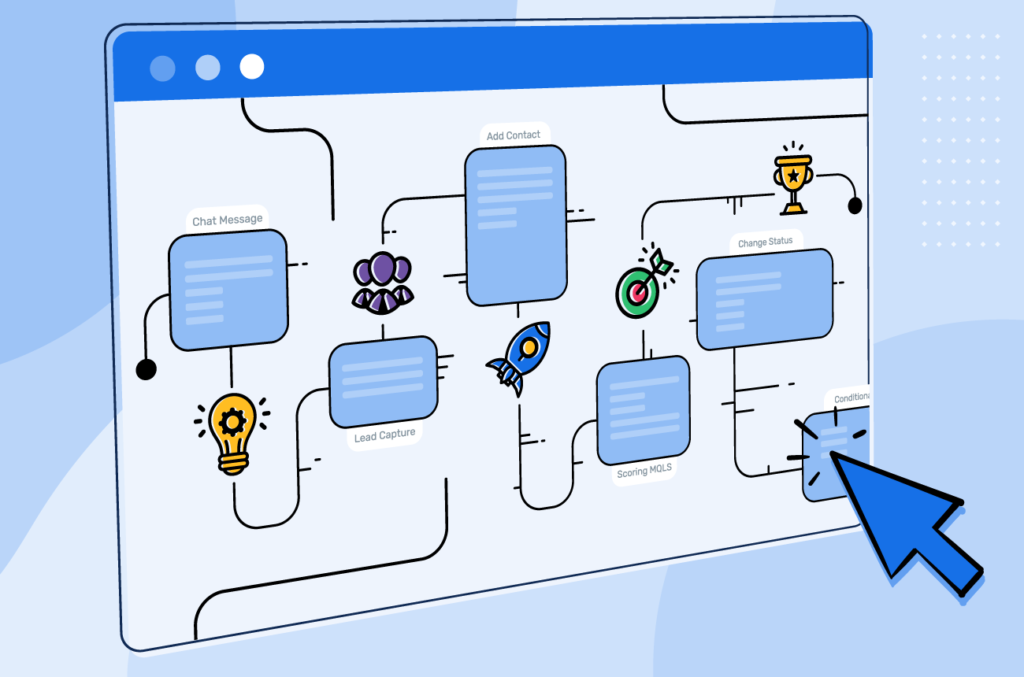
Automated Workflow Automation
AI-powered workflow automation enables businesses to streamline and automate repetitive tasks and processes, reducing human error and improving efficiency. These include lead assignments, follow-up reminders, and email campaigns. This functionality enables sales and marketing teams to work on the vital aspects of business.
Choosing The Appropriate AI-Enabled CRM
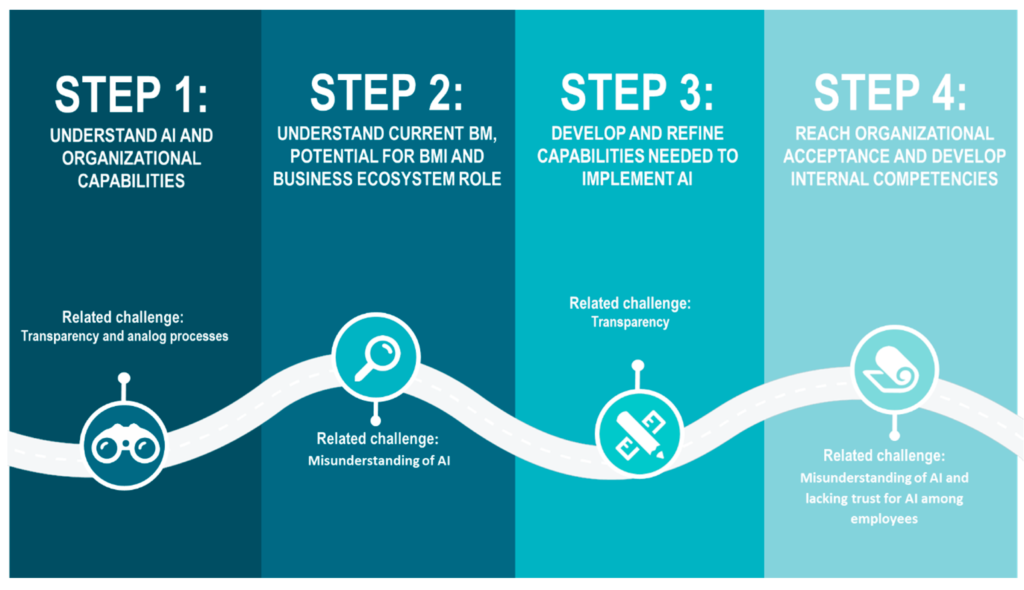
With so many AI-powered CRM solutions now on the market, selecting the best AI-powered CRM can be a daunting task. Here’s a step-by-step approach that might help you through this decision:
- Identify Your Needs: What are you hoping a CRM will solve for you? Which features does your business need? Therefore, write down what you want and follow up on that list.
- Explore Different Platforms: Explore different vendors and offerings for CRMs, examining functionality, price, scalability, and ease of use. Do not hesitate to test demos and free trials. Many providers offer these.
- Assess AI Capabilities: Does it come with the AI features that are most important to you? These features could be predictive analytics, sentiment analysis, or chat support. Read customer reviews for these features and how it is impacting other businesses.
- Scalability: Will the CRM evolve along with your business? As you increase your sales, marketing, and support activities, ensure that it’s a scalable solution.
- Integration: Ensure the CRM integrates well with your existing marketing and sales tools. This will save you money and time during implementation.
- Implementation and Support: The implementation and onboarding process are the most crucial factors in its successful adoption. Look for the technical support the provider offers to ensure a seamless transition.
Overcoming Implementation Challenges
Incorporating an AI-based CRM into your business is not easy. Here are a few common challenges:
- Data Quality: You know that saying about garbage in garbage out? If the underlying data is poorly quality, the insights and predictions will be flawed. Reinforcement of updating and cleaning is needed. This is a keen aspect of CRM implementation and adoption.
- User Adoption: The investment will not pay off if users do not fully adopt the new system—either revert to the old way of working or resist the change. Training, support, and user feedback are more important. This process needs to be accompanied by change management techniques.
- Integration challenges: CRM systems must be integrated with other business applications. Issues with this integration can lead to inefficiencies and mistakes. Better efficiency of the CRM systems requires a smooth integration.
- Cost: The best AI solutions cost money, and AI-powered CRMs are usually more expensive than traditional solutions. Businesses must make a conscious trade-off between cost and returns. Careful ROI calculations should precede any decisions.
The Future Of AI-Powered CRM
This is a very fast-changing area, with AI-powered CRM evolving quickly. These are some trends to watch as they develop:
Hyper-Personalization
AI will improve its ability to personalize. We’ll see more granular personalization of customer experiences at scale, enabling businesses to provide personalized customer experiences that increase satisfaction and loyalty.
Voice-Enabled Interactions
Voice assistants will be essential in engaging with CRM systems. They would enable hands-free data entry, voice-activated analytics, and conversational interfaces, which would free up time for data entry and enhance the productivity of sales and support teams.
Growing Emphasis On Ethics And Privacy
More focus on data collection and usage ethics will help AI rise. Data privacy and transparency will be key factors in organizations’ customer trust. The success of AI implementation of CRM solutions relies on compliance with data privacy regulations.
AI-Driven Customer Journey Mapping
Figuring out customer journeys using AI will be crucial. This Happeo will help businesses identify touchpoints that need improvement, resulting in a better customer experience. Companies will be able to track each stage of the customer lifecycle.
Proactive Customer Engagement
AI will drive proactive engagement with at-risk customers by identifying them and engaging with them promptly before they churn. This will help businesses reduce customer attrition and eventually boost customer survival value.
Conclusion
AI CRMs are not just an upgrade in technology; they are a new era of how businesses engage their customers and a breakthrough in customer relationship management. On the other hand, advanced systems offer profound customer insights, optimize sales strategies, and automate mundane tasks, leading to notable upturns in productivity and customer contentment. As AI develops, these systems will become increasingly sophisticated.
In the competitive landscape of the modern economy, these tools have become imperative. The advantages are simply too significant, and early adopters of AI CRMs will enjoy a competitive advantage and be at the cutting edge of customer relationship management transformations.
Frequently Asked Questions (FAQs)
What is AI-powered CRM, and how is it different from Traditional CRM?
AI solutions in CRM harness technologies such as machine learning and natural language processing to streamline managing and nurturing customer relationships. While conventional CRMs function as databases, an AI interface offers predictive analytics, task automation, and customized insights.
How can AI be used to enhance CRM lead scoring?
These algorithms analyze different data dimensions, including website activity, email interactions, social media interactions, and demographic information, scoring leads accurately. This lessens bias and aids sales teams in ranking high-potential leads, designing a win-win situation by maximizing valuable team time and increasing conversion rates.
Is an AI CRM able to assist in tailored marketing campaigns?
Yes, absolutely. AI CRMs enable hyper-personalized marketing campaigns by analyzing customer behavior and preferences. AI helps businesses identify specific segments of customers and sends them the right message and product recommendations on a channel of their choice, increasing the overall experience and response rate.
TechQwaz is your go-to platform for the latest insights on technology, innovation, and personal branding. Learn more about our mission on our About Us page, or reach out to us through our Contact page. Stay connected and updated by following us on Instagram, Twitter (X), and explore more valuable content on our Blogspot. Keep exploring, keep growing!