In the dynamic and relentlessly competitive digital marketing arena, the strategic selection and effective utilization of the proper Search Engine Optimization (SEO) tool can be the pivotal factor that determines the success or failure of your entire online strategy. As we rapidly approach 2025, the escalating demand for robust and reliable SEO software that consistently delivers tangible value and demonstrable efficiency has become more critical than ever before for businesses of all sizes.
However, with an overwhelming plethora of options saturating the market, the fundamental question that confronts marketers and business owners alike is: how do you judiciously decide which specific SEO tool genuinely offers the most substantial value for your investment? This crucial question carries even greater weight for small businesses and startups, often operating with constrained marketing budgets and a pressing need to maximize every rupee spent on digital initiatives.
This comprehensive blog post will undertake a detailed and granular analysis of the top-tier SEO tools currently dominating the market landscape. We will meticulously compare their diverse features, intricate pricing structures, and overall value propositions, with the overarching objective of empowering you, the reader, to make a genuinely informed and strategic decision.
Understanding SEO Tools: Features and Benefits
Before embarking on a detailed comparison of specific SEO tools and their respective merits, it is essential to establish a solid foundational understanding of the core features and functionalities that most comprehensive SEO tools typically offer.
This foundational knowledge base will equip readers with the necessary framework to effectively evaluate and compare different tools based on their specific requirements and the value they provide in addressing key aspects of SEO strategy.
Keyword Research
The process of conducting compelling and insightful keyword research forms the very bedrock upon which any successful SEO strategy is built. Key features to meticulously look for within a robust keyword research module include:
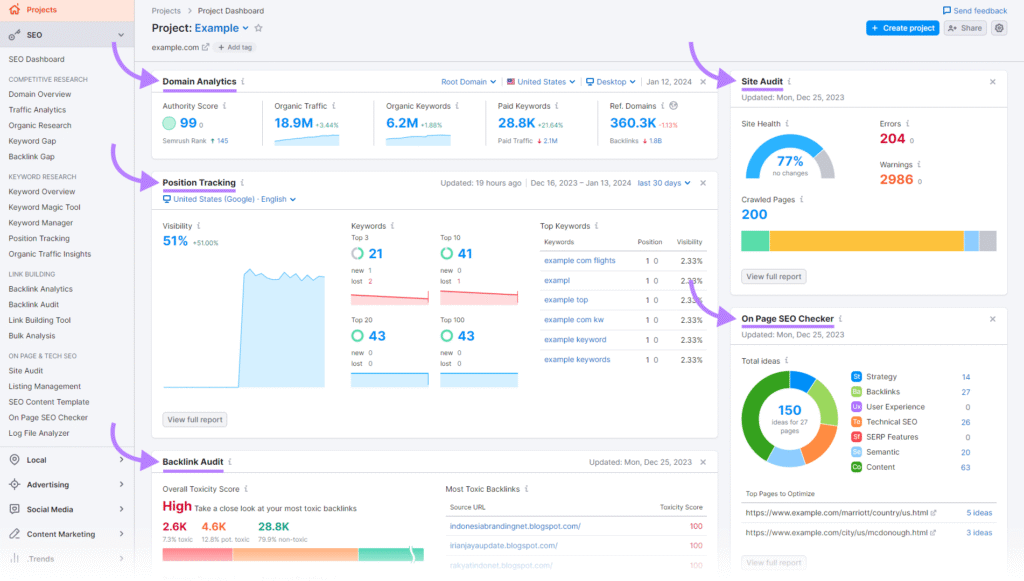
- Keyword Suggestions and Variations: A high-value SEO tool should provide an extensive and diverse range of keyword suggestions and relevant variations based on the initial seed keywords entered by the user.
- Search Volume and Difficulty Scores: Accurate and up-to-date search volume data, indicating the estimated number of searches for a particular keyword over a specific period, is crucial for determining the potential traffic a keyword can drive.
- SERP Analysis: Gaining valuable insight into the current search engine results page (SERP) for target keywords is essential for understanding who is currently ranking in the top positions and, more importantly, the underlying factors contributing to their success.
Backlink Analysis
Backlinks, which are links from other websites to your own, continue to be a fundamental cornerstone of SEO, significantly influencing a website’s perceived authority, trustworthiness, and ultimately, its ability to rank well in search engine results. Key backlink analysis features to consider in an SEO tool include:
- Backlink Tracking: A reliable tool should provide ongoing and comprehensive monitoring of all the backlinks pointing to your website, allowing you to track new links gained, lost links, and the overall health and quality of your backlink profile over time.
- Competitor Backlink Analysis: Gaining insights into the backlinking strategies of your primary competitors can be invaluable. A strong SEO tool will enable you to analyze the backlink profiles of competitor websites and identify potential link sources.
- Disavow Links Tool: The ability to effectively manage and disavow potentially toxic or low-quality backlinks that could negatively impact your website’s ranking is a critical feature.
Site Audit
A comprehensive site audit is essential for evaluating the overall technical health and SEO performance of a website. An ideal SEO tool should possess the following key capabilities within its site audit module:
- Crawl Capability: The tool should have the ability to perform a comprehensive crawl of your entire website, effectively identifying all accessible pages and uncovering any potential technical issues that might be hindering search engine visibility.
- Technical SEO Checks: A robust site audit feature will identify a wide range of critical technical SEO issues, including broken internal and external links, duplicate content problems, indexing errors, issues with your XML sitemap and robots.txt file, and mobile usability concerns.
- Performance Metrics: The site audit tool should provide insights into key performance metrics such as page loading speed, core web vitals, and overall mobile-friendliness, highlighting areas for potential optimization.
Content Optimization
Creating and optimizing high-quality, relevant content is paramount for attracting organic traffic and driving user engagement. Practical content optimization features within an SEO tool should offer:
- Content Analysis: The tool should enable the analysis of your existing website content for its relevance to target keywords, overall quality, readability, and on-page optimization elements, including title tags, meta descriptions, and header usage.
- Competitor Content Comparison: Understanding how your content compares to that of your top-ranking competitors for target keywords is invaluable. The tool should allow you to evaluate the content length, topical coverage, and keyword usage of competitor pages.
- Suggestions for Improvement: A valuable content optimization module will provide concrete and actionable recommendations for upgrading your existing content, identifying content gaps, and suggesting ways to improve its relevance, readability, and overall SEO performance.
Feature Comparison of Top SEO Tools
This section provides a detailed, feature-by-feature comparison of four leading SEO tools currently available on the market: Ahrefs, SEMrush, Moz, and SpyFu.
1. Ahrefs
Ahrefs has long garnered widespread praise and recognition within the SEO community, particularly for its exceptionally robust and comprehensive backlink analysis capabilities, as well as its highly effective suite of keyword research features.
Strengths:
- Comprehensive Backlink Database: Ahrefs boasts one of the most extensive and most frequently updated backlink databases in the industry, providing users with unparalleled insights into their backlink profiles and those of their competitors.
- Advanced Keyword Explorer: The Keyword Explorer tool within Ahrefs offers a wealth of in-depth keyword metrics, including accurate search volume data, keyword difficulty scores, and advanced analysis of keyword trends and related terms.
- High-Quality Content Analysis Tools: Ahrefs provides a strong set of tools for analyzing content performance, identifying content gaps, and exploring top-performing content within a specific niche.
Weaknesses:
- High Pricing: Ahrefs’ pricing structure, while reflecting the depth and quality of its data, can be relatively high and potentially prohibitive for some small businesses or individual users with limited budgets.
Pricing:
Ahrefs’ subscription plans start at $99 per month for their entry-level “Lite” plan.
SEMrush
Widely recognized for its comprehensive and versatile approach to digital marketing, SEMrush offers a suite of tools that cover a wide range of areas beyond SEO, including Pay-Per-Click (PPC) advertising, social media management, and content marketing.
Strengths:
- Multifunctional Dashboard: SEMrush offers a highly intuitive and feature-rich dashboard that centralizes access to its extensive array of tools and reports, providing a comprehensive view of a website’s online performance.
- Superior Competitor Analysis: SEMrush excels in providing in-depth and actionable insights into competitor strategies across various digital marketing channels, including SEO, PPC, and content.
- Regular Database Updates: SEMrush is known for its frequent and comprehensive updates to its vast databases of keywords, backlinks, and website analytics, ensuring users have access to the most current and accurate information.
Weaknesses:
- Steep Learning Curve: Some users, particularly those new to SEO or with limited technical expertise, have reported that SEMrush’s extensive feature set and complex interface can initially present a steep learning curve.
Pricing:
SEMrush’s subscription plans begin at $119.95 per month for their “Pro” plan.
Moz
Moz is a well-established and trusted name in the SEO industry, particularly recognized for its user-friendly interface and strong emphasis on content optimization and comprehensive site audit capabilities.
Strengths:
- Beginner-Friendly: Moz offers a relatively intuitive and easy-to-navigate interface, making it a remarkably approachable option for individuals and small businesses new to SEO tools.
- Strong Local SEO Capabilities: Moz provides a robust suite of tools specifically designed to help businesses optimize their local search presence, including features for managing local listings and tracking local rankings.
Weaknesses:
- Less Extensive Backlink Database: While Moz offers backlink analysis features, its backlink database is not generally considered as extensive or frequently updated as those offered by competitors like Ahrefs and SEMrush, which can be a significant drawback for users who heavily rely on in-depth backlink analysis.
Pricing:
Moz’s subscription plans start at $99 per month for their “Standard” plan.
SpyFu
SpyFu primarily focuses on providing in-depth competitive research and comprehensive keyword analysis, delivering particularly valuable insights for businesses seeking to understand specific market niches and their competitors’ strategies.
Strengths:
- Excellent Value for Money: Compared to some of its more comprehensive competitors, SpyFu often offers a significant amount of valuable data and functionality at a more budget-friendly price point, making it an attractive option for smaller businesses.
- In-depth PPC Research Tools: In addition to its SEO capabilities, SpyFu provides powerful tools for analyzing competitor Pay-Per-Click (PPC) advertising strategies, including keyword bidding and ad copy analysis.
Weaknesses:
- Limited Technical SEO Capabilities: SpyFu’s suite of technical SEO audit features is less comprehensive and robust compared to those offered by tools like Ahrefs and SEMrush.
Pricing:
SpyFu’s subscription plans begin at $39 per month for their “Basic” plan.
Balancing Price with SEO Tool Features
For many small businesses, startups, and those operating with tight marketing budgets, cost is often a primary factor in deciding which SEO tool to invest in. In this section, we will evaluate the diverse pricing structures of the various top SEO tools we have discussed and analyze the proportional value that their features offer about their respective costs.
Integrating SEO Tools into Your Strategy
Simply selecting an SEO tool is merely the initial step in the process. The actual and tangible value of your investment is only realized when you effectively integrate the chosen tool into your overarching digital marketing strategy and consistently utilize its features to inform and refine your SEO efforts.
Step-by-Step Implementation
To ensure a successful integration of your chosen SEO tool, consider following these key implementation steps:
- Define Objectives: Clearly articulate the specific goals and objectives you aim to achieve by using the SEO tool. What key performance indicators (KPIs) will you be tracking, and what particular areas of your SEO strategy do you hope to improve?
- Incorporate Tools Gradually: Avoid the temptation to try to utilize every feature of the tool all at once. Instead, start by focusing on one or two core functionalities that directly address your immediate needs and gradually expand your usage as your team becomes more comfortable and proficient with the platform.
- Regular Performance Reviews: Establish a routine for regularly reviewing the data and analytics provided by the SEO tool. Utilize these insights to evaluate the effectiveness of your current SEO strategies, pinpoint areas for potential improvement, and make informed, data-driven adjustments to your approach.
Case Studies: Real-World Applications
Examining how various businesses across different industries have successfully leveraged these top SEO tools can provide valuable practical insights and inspiration for your strategy:
- Small E-commerce Business: A small online retailer leveraged the comprehensive SEO and PPC capabilities of SEMrush to identify high-converting keywords, optimize their product listings, and effectively manage their paid advertising campaigns, resulting in a significant increase in organic traffic and online sales.
- Content-Driven Website: A website focused on publishing in-depth articles and blog posts utilized Ahrefs’ content gap analysis and keyword optimization tools to identify underserved topics within their niche and create high-quality content that attracted a substantial increase in organic search traffic and improved their domain authority.
- Local Business: A brick-and-mortar business employed Moz’s local SEO tools to optimize their online listings across various directories, track their local search rankings, and gather valuable customer reviews, leading to increased visibility in local search results and a growth in foot traffic.
Conclusion
Choosing the right SEO tool for your business ultimately requires a careful balancing act between the specific set of features offered, the associated pricing, and your overarching strategic marketing goals and budgetary constraints. Each of the top SEO tools we have discussed—Ahrefs, SEMrush, Moz, and SpyFu—possesses its own unique set of strengths and weaknesses, catering to slightly different needs and priorities.
SEO tools are where strategy meets results—so revisit our main post, Feature Breakdown: Which SEO Tool Offers the Most Value, or swing by our TechQwaz homepage to explore everything we offer. For fresh perspectives, see what marketers are saying on Quora, and discover top automation picks in this practical guide to business tools. Whenever you’re ready to take it further, our Contact Info is just a click away. Want to stay ahead? Check out our suggested read on the latest trends revolutionizing SEO today.