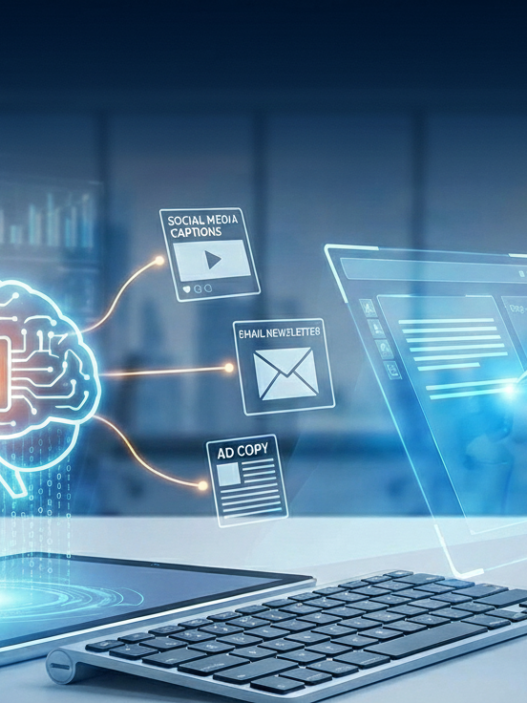
In today’s fast-paced and increasingly interconnected business environment, the ability for teams to manage tasks efficiently and collaborate seamlessly is paramount to achieving organizational goals. Imagine a work environment where the friction of repetitive administrative duties dissolves, where communication flows effortlessly and intelligently, and where project management tools proactively adapt to the dynamic needs of your team.
This comprehensive guide will delve into the transformative power of AI in this domain, exploring how it is revolutionizing the way teams organize their work, communicate effectively, and manage complex projects.
Preparing for AI: The Key Ingredients for Success
Embarking on the journey of integrating AI into your task management and collaboration processes requires more than just technological solutions; it necessitates a strategic mindset and the correct foundational elements. Here’s a breakdown of what you’ll need to leverage AI in this context effectively:
Access to leading AI task management tools: The cornerstone of AI-powered task management and collaboration lies in selecting and adopting the right software platforms. This includes exploring and gaining access to leading tools that have already integrated AI functionalities or are built explicitly with AI at their core. Access often involves understanding subscription models, trial periods, and ensuring compatibility with your existing IT infrastructure.
A collaborative mindset willing to embrace change: Technology, no matter how advanced, is only as effective as the people who use it. A crucial prerequisite for successful AI integration is fostering a collaborative mindset within your team that is open to adopting new ways of working and embracing the changes that AI will bring.
Dedicated time to integrate new processes: Implementing AI tools and workflows is not an instantaneous process. It requires dedicated time and effort to properly incorporate these new technologies into your existing work habits and team dynamics. This includes time for research, tool selection, setup, customization, training, and ongoing refinement. Recognizing the time investment upfront is crucial for setting realistic expectations and ensuring successful adoption.
Openness to learning new technologies: The field of AI is constantly evolving, with new features and capabilities being introduced regularly. A willingness from both the leadership and the team members to continuously learn about these new technologies and adapt their workflows accordingly is crucial for maximizing the long-term benefits of AI-powered task management and collaboration.
Implementing AI: A Practical Guide in Easy Steps
Step 1: Identify the Right AI Tools
The foundation of successful AI-powered task management and collaboration lies in the strategic selection of tools that align with your team’s specific needs, workflows, and technical capabilities. The market offers a growing array of AI-enhanced platforms, each with its unique strengths and features. Conducting thorough research into AI task management tools is paramount.
Explore established players like Monday.com, which integrates AI for automation and insights; Asana AI, offering intelligent work management features; and ClickUp’s AI features, assisting with content creation, summarization, and task prioritization.
Step 2: Automate Repetitive Tasks
One of the most immediate and impactful benefits of integrating AI into task management and collaboration is the ability to automate a wide range of repetitive and time-consuming tasks. This frees up valuable human capital to focus on more strategic, creative, and complex activities that require uniquely human skills.
Utilize automation tools like Zapier or IFTTT (If This Then That) to establish seamless connections between your various applications and streamline workflows efficiently. For instance, you can automate the process of scheduling follow-up tasks based on email responses, setting automatic reminders for upcoming deadlines, generating reports on task completion, or even automatically updating task statuses based on activity in other connected platforms.
Step 3: Enhance Communication with AI
Effective communication is the lifeblood of successful collaboration, and AI offers powerful tools to enhance team communication in intelligent ways. Explore the AI functionalities integrated into popular communication platforms, such as Slack and Microsoft Teams.
Slack’s AI features can provide innovative suggestions for responses, summarize lengthy threads to help you quickly catch up on conversations, and even offer proactive reminders based on your communication patterns.
Microsoft Teams’ AI integrations can provide real-time translation during meetings, generate automated meeting notes and action items, and offer intelligent suggestions for scheduling and follow-ups. Furthermore, consider leveraging AI-powered writing assistants that can help team members craft clearer and more concise communications
Step 4: Implement AI for Project Management
AI is rapidly transforming the landscape of project management, providing sophisticated capabilities to support critical aspects such as resource allocation, task prioritization, and workload balancing. Explore AI-driven project management solutions, such as Wrike’s AI tools, which can analyze project data to predict potential risks, optimize resource allocation based on team availability and skill sets, and even suggest optimal task dependencies to minimize delays.
AI algorithms can analyze historical project data to identify patterns and predict potential bottlenecks, enabling project managers to address issues before they escalate proactively. Furthermore, AI can assist with workload balancing by intelligently distributing tasks based on individual team member capacity and availability, preventing burnout and ensuring a more equitable distribution of work.
Step 5: Leverage AI for Data-Driven Insights
The vast amounts of data generated through task management and collaboration platforms hold valuable insights into team performance, project progress, and potential areas for improvement. Harnessing AI’s robust analytical capabilities can unlock these insights, providing a data-driven foundation for strategic decision-making.
Platforms like Tableau with its AI-powered analytics features, or the built-in analytics dashboards of many AI task management tools, can provide actionable insights into team productivity, task completion rates, communication patterns, and project timelines. AI can identify trends, anomalies, and correlations in this data that might not be apparent through manual analysis.
Step 6: Train Your Team
The successful adoption and utilization of new AI-powered task management and collaboration tools hinge on ensuring that your team members understand how to use them effectively. Comprehensive training is crucial for maximizing the benefits of these technologies and minimizing resistance to change.
Emphasize the benefits of using AI, such as reduced workload, improved efficiency, and enhanced collaboration. Provide opportunities for hands-on practice and encourage team members to ask questions and share their experiences.
Step 7: Monitor and Adjust
The implementation of AI-powered task management and collaboration tools is not a one-time effort but an ongoing process of continuous improvement. Once your AI tools are integrated and your team is trained, it’s crucial to establish a system for regularly monitoring their effectiveness and making adjustments as needed. Based on this data and feedback, be prepared to iterate on your AI implementation.
This might involve fine-tuning automation rules, adjusting AI-powered suggestions, providing additional training, or even exploring alternative AI features or tools if the initial choices aren’t delivering the desired results. Continuous monitoring and adjustment ensure that your AI systems remain aligned with your evolving business needs and objectives, maximizing their long-term value and impact.
Mastering AI for Teamwork: Pro-Level Strategies
Tip: Regularly update your AI systems to take advantage of the latest features and security updates. AI technology is constantly evolving, with vendors frequently releasing new functionalities, performance enhancements, and crucial security patches. Establishing a routine for updating your AI task management and collaboration tools ensures that you are leveraging the most advanced capabilities and maintaining a secure working environment.
Tip: Customize AI tools to fit your specific business processes for maximum effectiveness. While out-of-the-box AI features can be beneficial, tailoring the AI tools to align with your unique workflows and team dynamics will yield the most significant impact. Explore customization options, such as creating specific automation rules, training AI models on your company’s data (where applicable), and configuring AI-powered suggestions to align with your team’s communication style and project management methodologies.
Tip: Foster a culture of continuous learning to stay up-to-date with AI trends and technologies. The field of AI is rapidly advancing, with new tools and applications emerging frequently. Foster a learning environment where your team is encouraged to stay informed about the latest AI trends and technologies relevant to task management and collaboration. This might involve sharing industry articles, participating in webinars, or dedicating time for team members to explore new AI features and share their findings.
Common Mistakes to Avoid
Over-relying on AI without human oversight can lead to errors.
Always have a human review essential decisions. While AI can automate tasks and provide valuable insights, it’s crucial to remember that it’s a tool, not a replacement for human judgment, especially when it comes to critical decisions. Establish workflows that incorporate human review for meaningful AI-generated outputs or automated actions to identify and mitigate potential errors or biases.
Neglecting to train staff on AI tools can lead to underutilization and resistance.
As mentioned earlier, adequate training is paramount for successful AI adoption. Failing to onboard your team to the new AI tools properly can lead to confusion, frustration, and ultimately, underutilization of the technology’s potential. Invest in comprehensive training programs and provide ongoing support to ensure that your team feels comfortable and confident using the AI tools.
Implementing too many tools simultaneously can overwhelm your team
Integrate gradually for best results. Introducing a multitude of new AI tools at once can be overwhelming for your team and disrupt existing workflows. A phased approach to implementation is generally more effective. Start by integrating one or two key AI tools and gradually introduce others as your team becomes comfortable with the initial changes. This enables better adoption, reduces resistance, and allows you to learn from each implementation phase.
Conclusion
You’ve made it to the end of this comprehensive guide on AI-powered task management and collaboration. From understanding the transformative potential of AI to navigating the practical steps of implementation, you are now equipped with the knowledge to revolutionize your team’s workflow. The integration of AI is not just about adopting new software; it’s about embracing a more innovative, more efficient, and more collaborative way of working.
Don’t wait for the future to arrive—start exploring the power of AI tools today and experience the tangible difference they can make in your team’s productivity, communication, and overall success.
Frequently Asked Questions
What are the benefits of using AI in task management?
AI significantly increases efficiency by automating repetitive tasks such as scheduling, reminders, and follow-ups, freeing up team members for more strategic work.
How do AI collaboration tools enhance productivity?
AI collaboration tools enhance productivity by streamlining communication through intelligent summarization and proactive suggestions, facilitating more efficient meetings with automated note-taking and the generation of action items.
Are there any challenges in implementing AI task management solutions?
Yes, common challenges include initial data privacy concerns that must be addressed through the selection of a secure platform and the implementation of clear data governance policies.
What future trends can we expect from AI-powered project management?
Future trends in AI-powered project management include advancements in predictive analytics for more accurate project forecasting and risk management, as well as personalized task recommendations tailored to individual user workflows and preferences.
AI-driven task management isn’t just an upgrade—it’s the collaboration revolution of tomorrow. Dive back into our main article, How AI Is Revolutionizing Task Management and Collaboration, explore all that we offer via the TechQwaz homepage, or connect with us through our Contact Info when you’re ready. Hungry for more insights? Discover excellent free digital marketing resources to sharpen your strategy and see how IBM’s Business Automation Workflow is powering real-world team efficiency. Curious to keep learning? Don’t miss our suggested read, AI-Powered Project Tracking: The Future of Team Efficiency—your next inspiration is just a click away.